

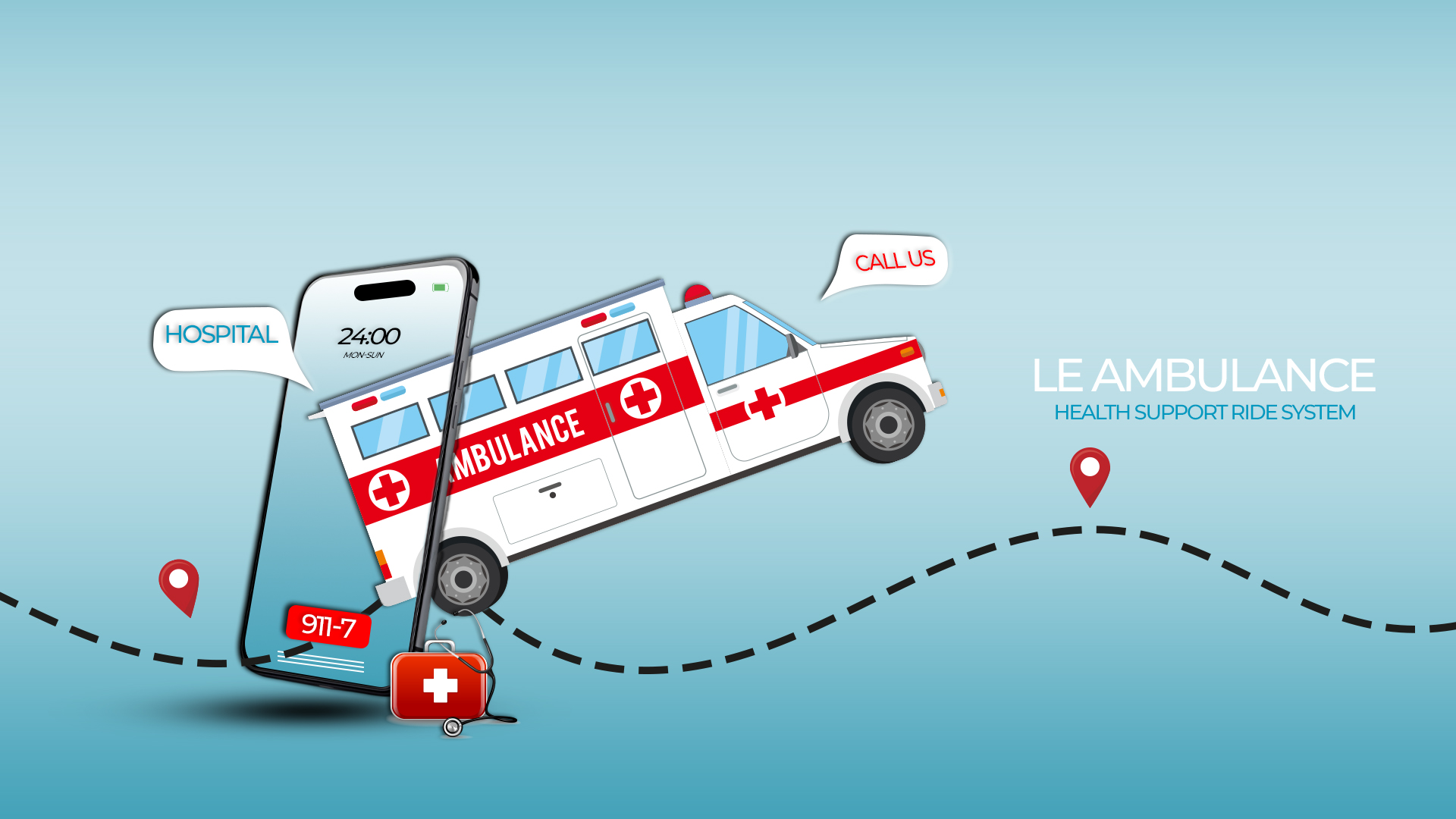
Smart Ambulance Management System: Transforming Emergency Medical Transportation
Introduction: Why Ambulance Response Time Matters
In emergency healthcare, every second counts. Fast and coordinated ambulance services can mean the difference between life and death.
However, many ambulance operations still depend on manual dispatching, phone-based coordination, and limited tracking systems. These traditional processes often lead to delays, inefficient ambulance utilization, and poor communication between dispatch teams and drivers.
With the rapid growth of digital technology, healthcare providers now have the opportunity to modernize ambulance services through smart ambulance management systems.
LeAmbulance introduces a technology-driven solution designed to streamline ambulance dispatch, improve response times, and enhance coordination between patients, drivers, and emergency response teams.
What is an Ambulance Management System?
An ambulance management system is a digital platform designed to manage and coordinate ambulance services through mobile and web-based applications.
These systems enable healthcare organizations to:
- Receive and manage ambulance requests digitally
- Track ambulance locations in real time
- Dispatch the nearest available vehicle
- Coordinate drivers and emergency teams efficiently
- Monitor trips and operational performance
By replacing manual processes with automated workflows, ambulance management systems significantly improve the speed and efficiency of emergency medical transportation.
Key Challenges in Traditional Ambulance Services
Many healthcare institutions face operational challenges when managing ambulance fleets.
Common challenges include:
Manual Dispatching
Ambulance requests are often managed through phone calls, creating delays and confusion.
Lack of Real-Time Tracking
Dispatch teams may not know the exact location of available ambulances.
Inefficient Resource Allocation
Without digital systems, assigning the closest or most appropriate ambulance becomes difficult.
Limited Coordination
Communication gaps between dispatch operators, drivers, and healthcare facilities can slow response times.
These limitations highlight the need for modern digital ambulance coordination systems.
How LeAmbulance Modernizes Medical Transportation
LeAmbulance is designed to create a fully connected ambulance ecosystem that improves communication and operational efficiency.
The platform integrates three key components:
Passenger Mobile Application
Patients or healthcare staff can request ambulance services quickly through a mobile interface.
Driver Mobile Application
Ambulance drivers receive real-time trip requests, navigation details, and dispatch instructions directly through their mobile devices.
Web-Based Dispatch Dashboard
Dispatch operators manage incoming requests, monitor vehicle locations, and assign ambulances efficiently using a centralized web platform.
This integrated approach allows ambulance services to operate with greater speed, transparency, and coordination.
Real-Time Ambulance Tracking and Dispatch
One of the most powerful features of modern ambulance platforms is real-time vehicle tracking.
With GPS-enabled tracking, dispatch teams can instantly see:
- The location of each ambulance
- Which vehicles are available or busy
- Estimated arrival times
- Active trip details
This level of visibility enables faster decision-making and ensures that the closest available ambulance can respond to emergencies immediately.
Real-time tracking also helps healthcare providers improve operational oversight and fleet management.
Supporting Both Emergency and Non-Emergency Medical Transportation
Ambulance services are not limited to emergency response.
Healthcare institutions also require transportation for:
- Hospital-to-hospital transfers
- Scheduled medical appointments
- Non-emergency patient transportation
- Urgent street pickups
LeAmbulance supports both emergency and non-emergency trips, allowing healthcare providers to manage different types of transportation requests within one unified system.
This flexibility helps organizations deliver reliable patient transportation services while maintaining efficient fleet management.
Benefits of a Smart Ambulance Management Platform
Implementing a digital ambulance management system provides several operational benefits:
- Faster Emergency Response
Automated dispatching reduces delays and helps the nearest ambulance respond quickly.
- Improved Resource Utilization
Healthcare organizations can manage their ambulance fleets more efficiently.
- Better Communication
Drivers, dispatch teams, and healthcare facilities stay connected through a centralized system.
- Enhanced Patient Experience
Patients receive faster and more reliable emergency transportation services.
The Future of Digital Emergency Medical Services
As healthcare systems continue to evolve, digital transformation is becoming essential for improving service delivery.
Smart platforms like LeAmbulance demonstrate how technology can improve emergency response by combining:
- Real-time data
- mobile connectivity
- automated dispatch systems
- centralized coordination
These innovations help create a future where ambulance services are faster, smarter, and more reliable, ultimately improving patient outcomes and healthcare efficiency.
Links & Access
- Driver App (Google Play): [driver link]
- Passenger App (Google Play): [Passenger link]
Conclusion
Efficient ambulance services play a critical role in healthcare systems. By adopting digital ambulance management solutions, healthcare organizations can dramatically improve response times, coordination, and operational efficiency.
LeAmbulance provides a modern platform designed to help healthcare providers manage ambulance services intelligently, respond to emergencies faster, and deliver better patient care.
